How to make yerba mate less bitter
A practical taste guide for making yerba mate cubes smoother in the glass with dilution, cube count, citrus, mint, sweetness, and brew-strength notes.
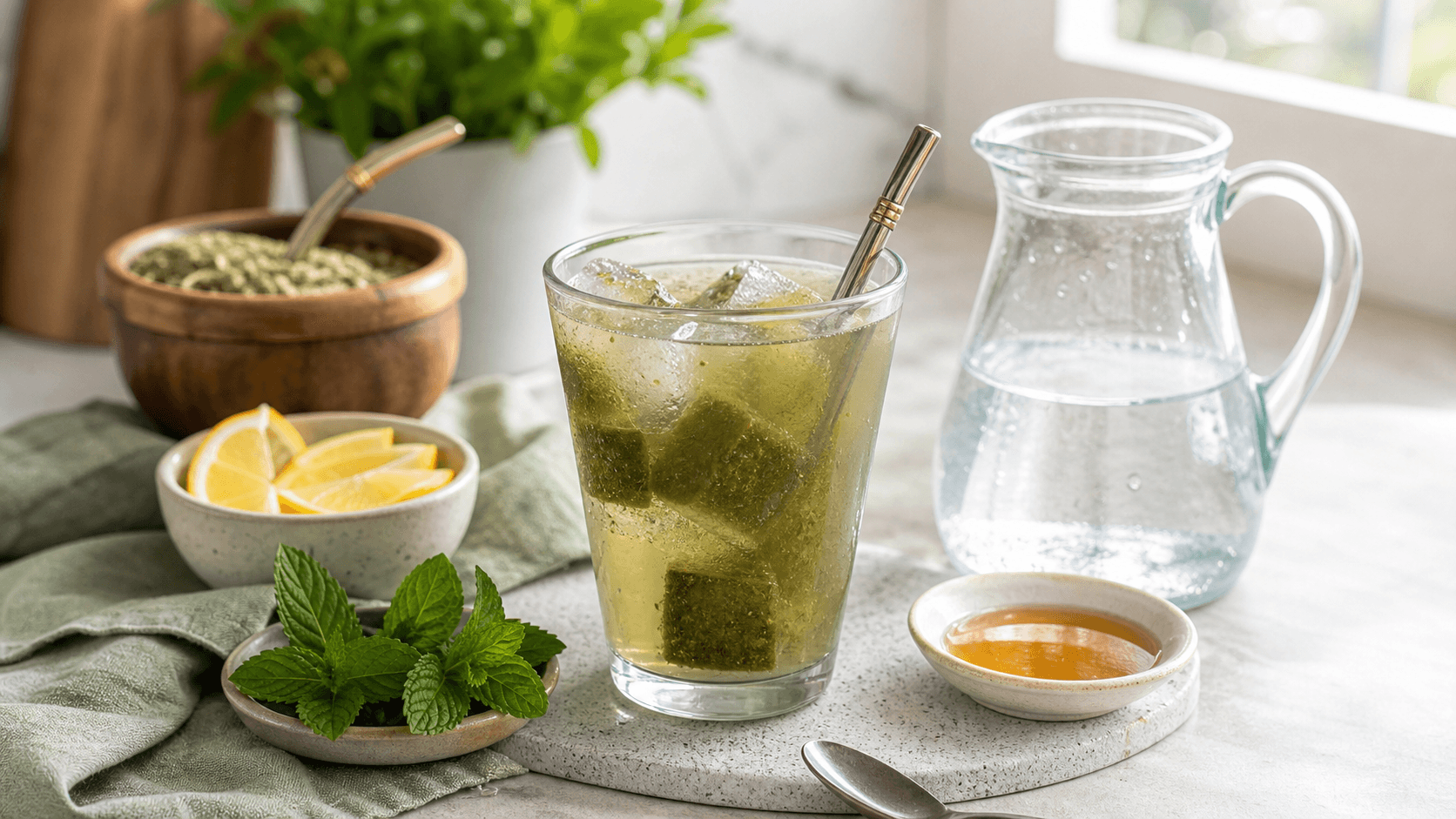
Yerba mate can taste grassy, earthy, smoky, and bitter. That is part of the drink's identity, but a glass that tastes harsh is usually telling you something practical: the brew is too concentrated, the water is too hot, the cube count is too high, or the flavor needs a brighter finish.
For frozen yerba mate cubes, the best fix is not a big claim about how the drink will make you feel. It is a better glass. Adjust the cube count, dilute slowly, add citrus or mint for flavor, and write down what worked so the next batch is easier to repeat.
Start with cube count
If a glass tastes too bitter, start with fewer cubes before changing the whole recipe.
| Starting point | What to try | Why it helps |
|---|---|---|
| 4 cubes tastes too strong | Try 2 cubes with the same amount of water. | Cube count is the easiest variable to control. |
| Flavor is earthy but thin | Use 2 cubes, then add one more only after tasting. | The glass builds gradually instead of overshooting. |
| A recipe tastes different every time | Use the same glass and cube size for each test. | Repeatable portions make taste notes useful. |
| You want a brighter cold drink | Start with fewer cubes, then add lemon, mint, or sparkling water. | Flavor balance can improve before the mate gets stronger. |
This is the same reason a ready-made cube should eventually have clear serving guidance. A person should not have to guess how many cubes make the intended glass.
Dilute before you sweeten
Bitterness often feels worse when the mate is concentrated. Add cold water in stages, stir, and taste before adding sweetener.
A simple cold glass:
| Step | Action |
|---|---|
| 1 | Add 2 frozen yerba mate cubes to a glass. |
| 2 | Add 2 ounces of cold water and let the cubes soften. |
| 3 | Stir, taste, and add 2 to 4 more ounces of water. |
| 4 | Add lemon, lime, mint, or a small amount of sweetener only after the strength feels close. |
Sweetness can be useful, but it should not be the only tool. If the base is too strong, sweetener can make the drink taste both sweet and harsh. Dilution gives you a cleaner read on the mate first.
Watch the brew temperature
Brewing conditions change yerba mate. A 2024 Molecules paper compared yerba mate infusions prepared at different temperatures and brewing passes, including 70 C and 100 C, and found measurable differences in color, soluble solids, tannins, caffeine, and other compounds.
For a home taste test, the practical takeaway is modest: do not assume every brew will taste the same. If a batch is harsh, the next test can use cooler water, a shorter steep, fewer leaves, or more final dilution.
Do not turn that into a wellness promise. Temperature and steeping affect the drink in the cup. The claim-safe article is about taste, not body effects.
Use flavor as flavor
Citrus, mint, berry, ginger, sparkling water, milk, and a small amount of sweetener can all make mate taste different. Keep the language simple: these are flavor choices.
| Add-in | What it changes in the glass | Claim-safe wording |
|---|---|---|
| Lemon or lime | Sharper, brighter finish | "Adds citrus brightness." |
| Mint | Cooler aroma | "Adds a fresh aroma." |
| Sparkling water | Lighter texture | "Makes the drink feel more lively." |
| Honey or simple syrup | Softer edge | "Adds sweetness." |
| Milk or oat milk | Rounder, creamier texture | "Makes a latte-style glass." |
Avoid saying the add-ins change caffeine, cleanse anything, or make the drink better for everyone. The useful promise is that the glass tastes more balanced.
Keep a bitterness note on the batch
If you make cubes at home, label the batch with one taste note. That is enough to keep the next glass from repeating the same mistake.
| Label field | Better note |
|---|---|
| Brew strength | Light, usual, strong, or too strong |
| Cube count | 2 cubes felt balanced; 4 cubes was too much |
| Finish | Best with lemon; better with sparkling water; needs more dilution |
| Next test | Cooler brew, fewer cubes, or smaller batch |
The freezer label guide has a fuller batch-card system if you want to compare batches. The DIY cube guide covers the brew, cool, portion, and freeze workflow.
Where Yerba Melt can help
A ready-made frozen cube should make this easier in two ways: repeatable serving size and clearer flavor direction. The person making the glass should know whether the cube is plain, citrus-forward, minty, unsweetened, or built for a latte-style drink.
It should also be clear about caffeine once the final formula is tested. Yerba mate naturally contains caffeine, and the FDA notes that caffeine sensitivity varies. That is why Yerba Melt should publish caffeine per cube and per prepared serving only after product testing, not estimate from a homemade tray.
For now, the best bitterness fix is practical: use fewer cubes, dilute in stages, add flavor for taste, and keep notes. If that is the kind of cold mate routine you would actually use, the waitlist is where we are choosing the first flavors.