How to make yerba mate ice cubes at home
Plan a homemade mate-cube batch with clear handling limits, measured portions, freezer records and serving ideas to try without guessing a recipe ratio.
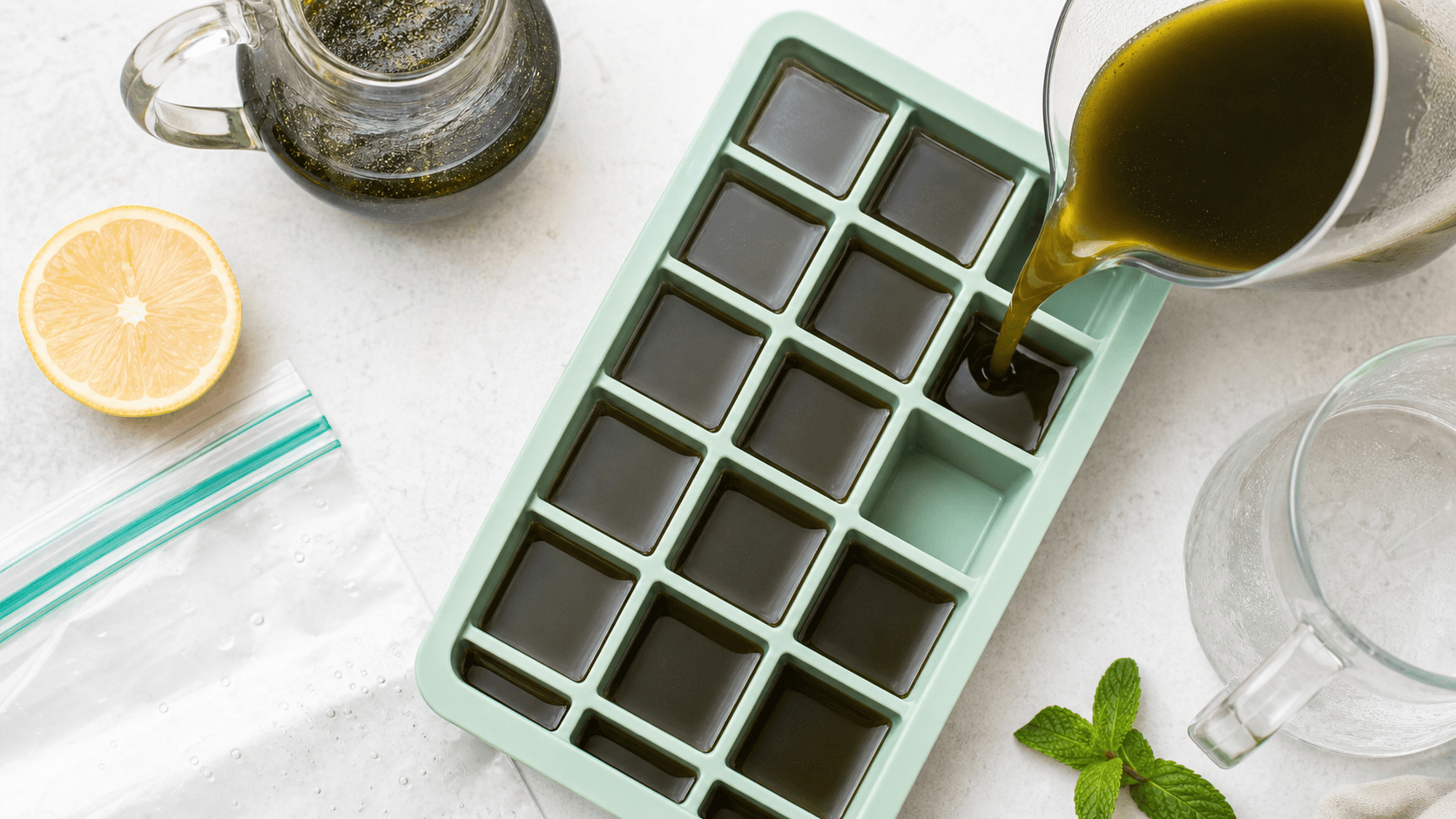
Yerba mate ice cubes are portions of prepared mate frozen for later use in a drink. The home workflow is straightforward to describe: prepare the mate, handle and cool it appropriately, portion it into suitable equipment, freeze it and record the batch.
The details still matter. A tray does not define a serving, and a solid cube does not tell you whether a batch was handled correctly. This guide helps you plan and document the workflow; it does not supply a tested mate recipe, cooling schedule or storage life.
Before filling a tray
Start with preparation and handling directions for your exact mate product or an established recipe. Keep the ingredient list and brewing method with your batch notes. Check the tray and container manufacturer's food-contact, temperature and freezer-use instructions; the pictures here do not establish compatibility.
For general handling, FDA's food-storage guidance says to refrigerate or freeze perishables promptly. Foods needing refrigeration should not sit at room temperature for more than two hours, or one hour above 90 °F. Those limits are not a target cooling time or a tested protocol for a pitcher of mate. Do not leave a batch on the counter indefinitely while waiting for it to feel cool.
If your preparation lacks clear cooling and handling directions, resolve that gap before making a batch to store. This article cannot fill it with a universal wait time.
Keep the stages separate
| Stage | What to establish | What to record |
|---|---|---|
| Prepare | Follow the exact product or recipe directions. | Mate product, ingredient amounts, water, brewing time and temperature. |
| Handle and cool | Use applicable handling directions and equipment instructions. | The method and timing actually used. |
| Portion | Choose suitable clean equipment and follow its fill instructions. | Tray identity, liquid portion and cavities filled. |
| Freeze and store | Use appropriate covered storage and monitor the freezer. | Batch date, container and storage conditions. |
| Make a drink | Follow any applicable serving directions; measure what goes into the glass. | Cube portion, added liquid and finished drink volume. |
This is a planning checklist. Empty records mean the details still need to be established, not that any method or amount will work.
What freezer guidance does—and does not—tell you
FDA recommends a freezer temperature of 0 °F (-18 °C). Its safety statement depends on proper handling and storage; freezing does not kill most bacteria. Appearance, smell and taste cannot establish safety.
The FoodSafety.gov cold-storage chart distinguishes freezer quality guidance from safety under continuous storage at 0 °F (-18 °C) or below. It has no row for homemade mate cubes. A duration listed for soup, meat or another food is not a mate-cube storage recommendation.
Neither source validates this drink's preparation, an interrupted freezer history or a particular homemade batch. Keep handling records separate from notes about frost, color or flavor. A date label identifies the batch; it is not a tested expiry date.
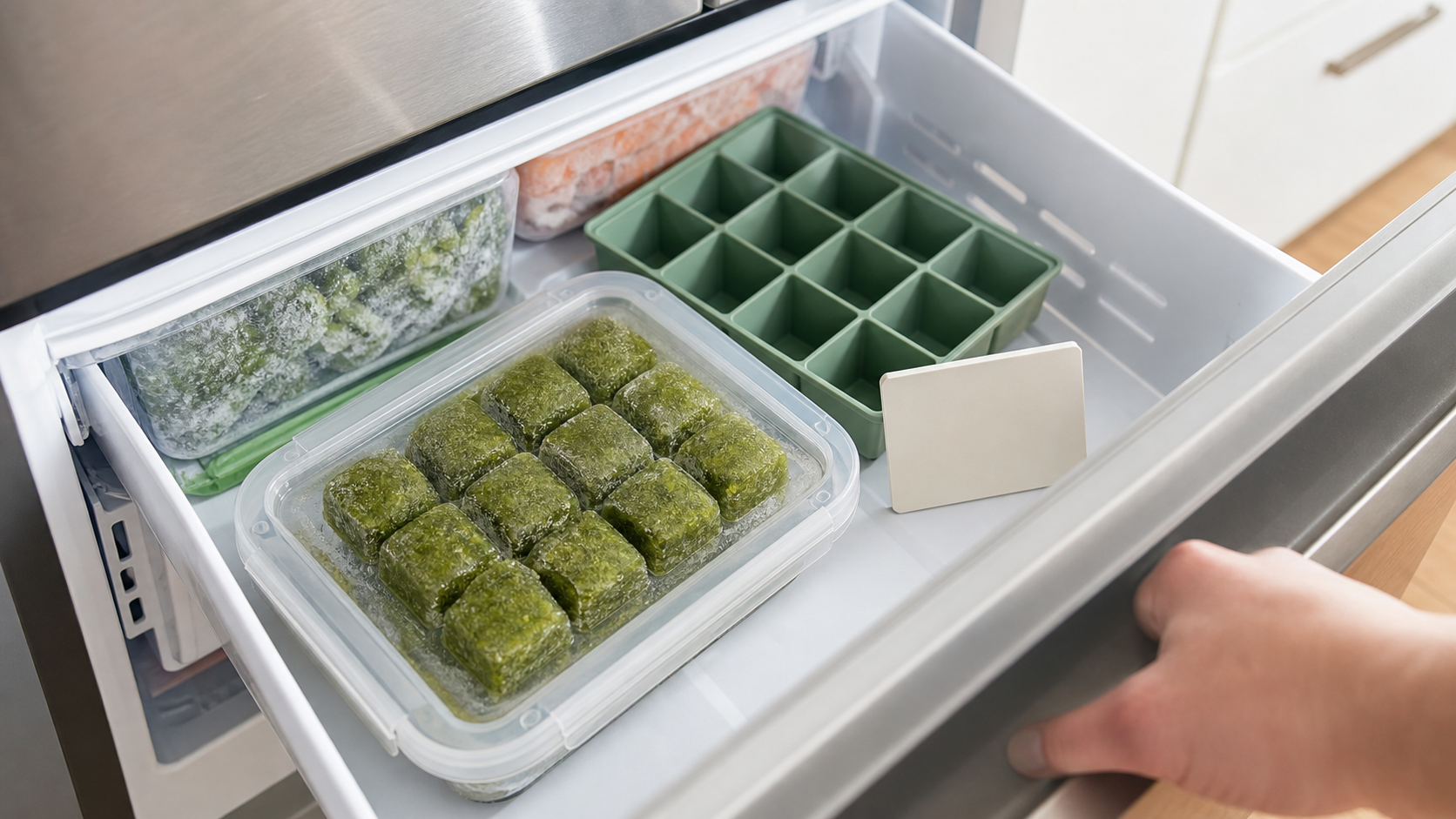
Measure the batch you actually make
A cube count becomes more useful when it stays attached to the tray and measured portion. “Three cubes” from one mold need not describe the same quantity as three from another.
NIST's culinary measurement tips recommend suitable measuring tools. For liquids, place the measuring vessel on a level surface and read the meniscus at eye level. Keep grams and milliliters distinct in your notes.
| Batch field | Your record |
|---|---|
| Date and batch name | |
| Exact mate product and preparation directions | |
| Ingredients and measured amounts | |
| Brewing and cooling method actually followed | |
| Tray identity and fill amount | |
| Filled cavities and leftover liquid | |
| Storage container and freezer observations | |
| Cube count and measured portion used in one drink | |
| Added liquid and finished volume | |
| Taste and preparation notes |
The University of Nevada, Reno recipe-development guide emphasizes exact ingredients, measured yield and repeated testing. That supports keeping a useful record; it does not establish a mate-to-water ratio or prove that a flavor combination works.
For a closer look at portion records, use the cube-size and dilution worksheet. No kitchen-test results or per-cube caffeine measurements are supplied here.
Choose a serving idea without assuming a winner
Still water, sparkling water, lemonade and milk-based drinks are possible directions to explore. They are ideas, not tested pairings or ranked recommendations. Follow the ingredient labels, including their handling directions, and record the exact additions.
Begin with a clearly documented base if you want to compare versions. Change one addition at a time and write down your own observations. A sweeter or less bitter taste is not a caffeine measurement, and no cube count in this guide defines a recommended serving.
For a warm drink, see the separate hot-water mate-cube guide for handling considerations and measured mug fields.
Where a ready-made format could help
Homemade cubes still involve preparation, handling, portioning, freezer space and cleanup. The frozen mate format puts that work earlier in the routine; whether it saves you effort depends on how you use it.
Yerba Melt is exploring a ready-made version. It still needs a tested formula, defined portions, suitable packaging and clear handling and caffeine information. If those details would make frozen mate useful in your kitchen, join the waitlist and tell us what you would want on the package.