Yerba mate vs coffee for a rushed morning
A measurement-first comparison of coffee and yerba mate for rushed mornings: caffeine context, prep time, taste, and where a frozen cube format fits.

Most morning drink choices are really workflow choices. Coffee wins because the habit is known, gear is everywhere, and the taste is familiar. Yerba mate has a different problem: people may know the name, but the traditional setup can feel like a lot for a weekday morning.
That does not mean yerba mate should be marketed as a universal coffee upgrade. A better article compares measurable things: caffeine context, prep steps, taste, portability, and label clarity.
Caffeine context
The FDA says caffeine can be part of a diet for most adults, but sensitivity varies, and the agency cites 400 mg per day as an amount not generally associated with negative effects for most adults. That is a context point, not a Yerba Melt serving claim.
| Drink | Useful comparison point | What to watch |
|---|---|---|
| Brewed coffee | Mayo Clinic lists brewed coffee as about 96 mg caffeine per 8 fl oz. | Cup size and brew style change the number. |
| Yerba mate | Published and brand examples vary widely by leaf amount, brew time, format, and serving size. | A brand should explain the serving and caffeine math clearly. |
| Canned energy drinks | FDA consumer guidance lists a broad caffeine range for 12 fl oz energy drinks. | Serving size and total container size matter. |
| Frozen mate cubes | Final caffeine depends on the cube formula and how many cubes make a serving. | Yerba Melt should not publish a number until it is tested. |
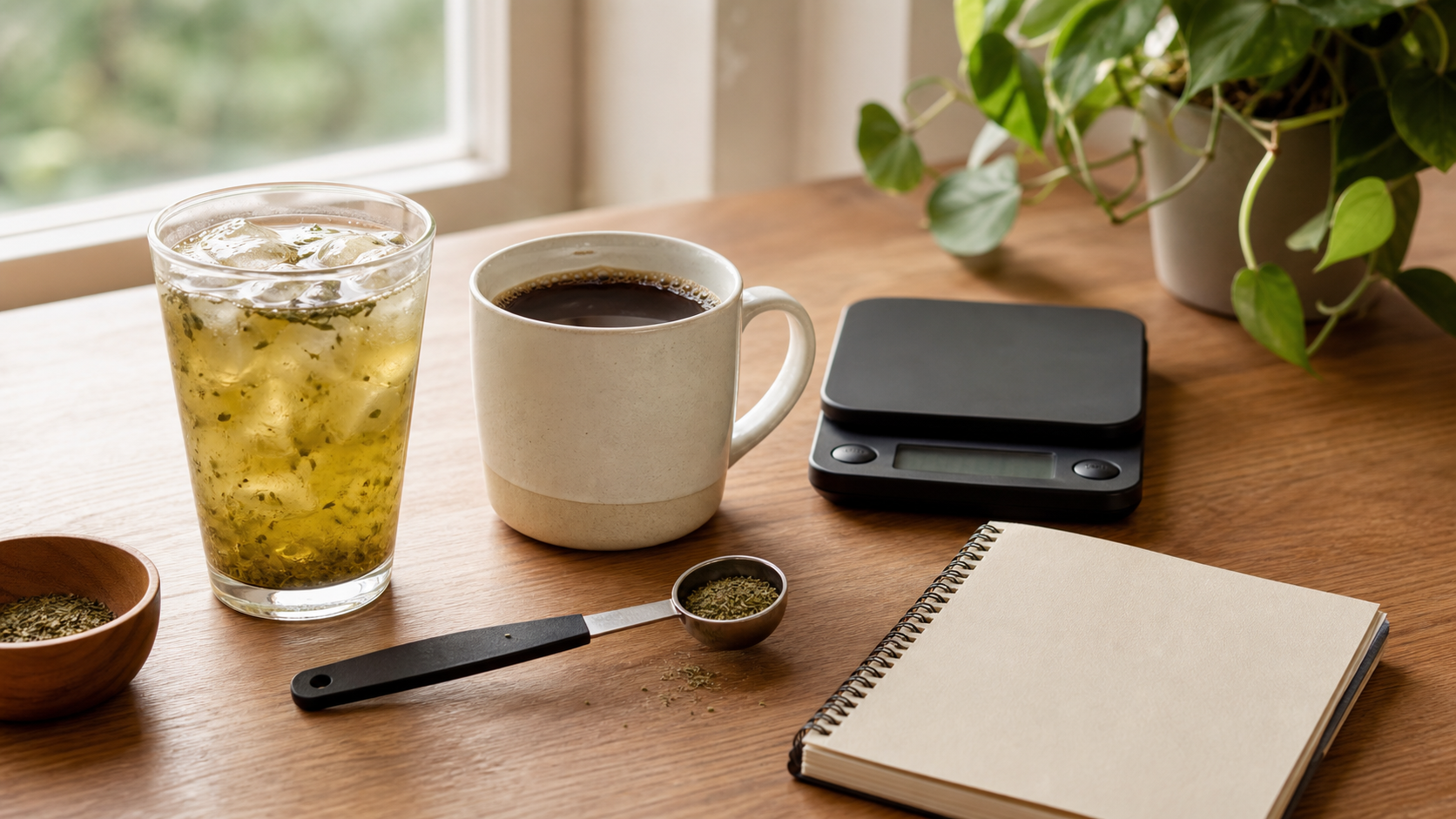
The most credible promise is transparency. If Yerba Melt launches, the package and product page should state caffeine per cube and per prepared serving.
Prep time is the real opening
Coffee already has many fast paths: drip machines, pods, cold brew bottles, cafes, and cans. A frozen mate cube is not trying to replace every one of those. It is trying to replace the moment when someone wants a caffeinated drink but does not want loose leaves, a gourd, a cafe line, or another can.
| Routine | Gear | Friction | Best fit |
|---|---|---|---|
| Brewed coffee | Machine, kettle, or cafe | Familiar but still requires a setup | Coffee loyalists and home-brew routines |
| Traditional mate | Gourd, bombilla, leaves, hot water | High cultural value, more steps | People who want the ritual |
| Canned mate | None | Very portable, fixed flavor and serving | Grab-and-go moments |
| Frozen mate cube | Freezer, glass, liquid | Freezer access required | Home, office freezer, or planned routines |
Taste should be described plainly
Coffee often reads roasted, bitter, nutty, chocolatey, or fruity depending on bean and brew. Yerba mate is usually more herbal, grassy, earthy, and sometimes bitter or smoky depending on cut and processing. Neither description should become a health claim.
For a frozen cube product, taste has to be explained even more clearly because people will compare it with cans, tea, coffee, and homemade cold brew. The article and landing page should answer: is it unsweetened, lightly flavored, citrus-forward, minty, or closer to traditional mate?
What Yerba Melt should not overclaim
It is tempting to frame mate as a perfect coffee alternative. That is too broad. A better claim is narrower: Yerba Melt is for people who want a fast caffeinated yerba mate drink that works hot or iced.
That is a workflow claim, and it is the one the product can actually prove first.
Sources
- https://www.fda.gov/consumers/consumer-updates/spilling-beans-how-much-caffeine-too-much
- https://www.mayoclinic.org/healthy-lifestyle/nutrition-and-healthy-eating/in-depth/caffeine/art-20049372
- https://cometeer.com/pages/how-it-works
- https://www.ftc.gov/business-guidance/resources/health-products-compliance-guidance