How to make yerba mate ice cubes at home
A practical DIY guide to freezing brewed yerba mate into cubes for faster iced drinks, with storage notes, serving ideas, and where a ready-made format could be easier.
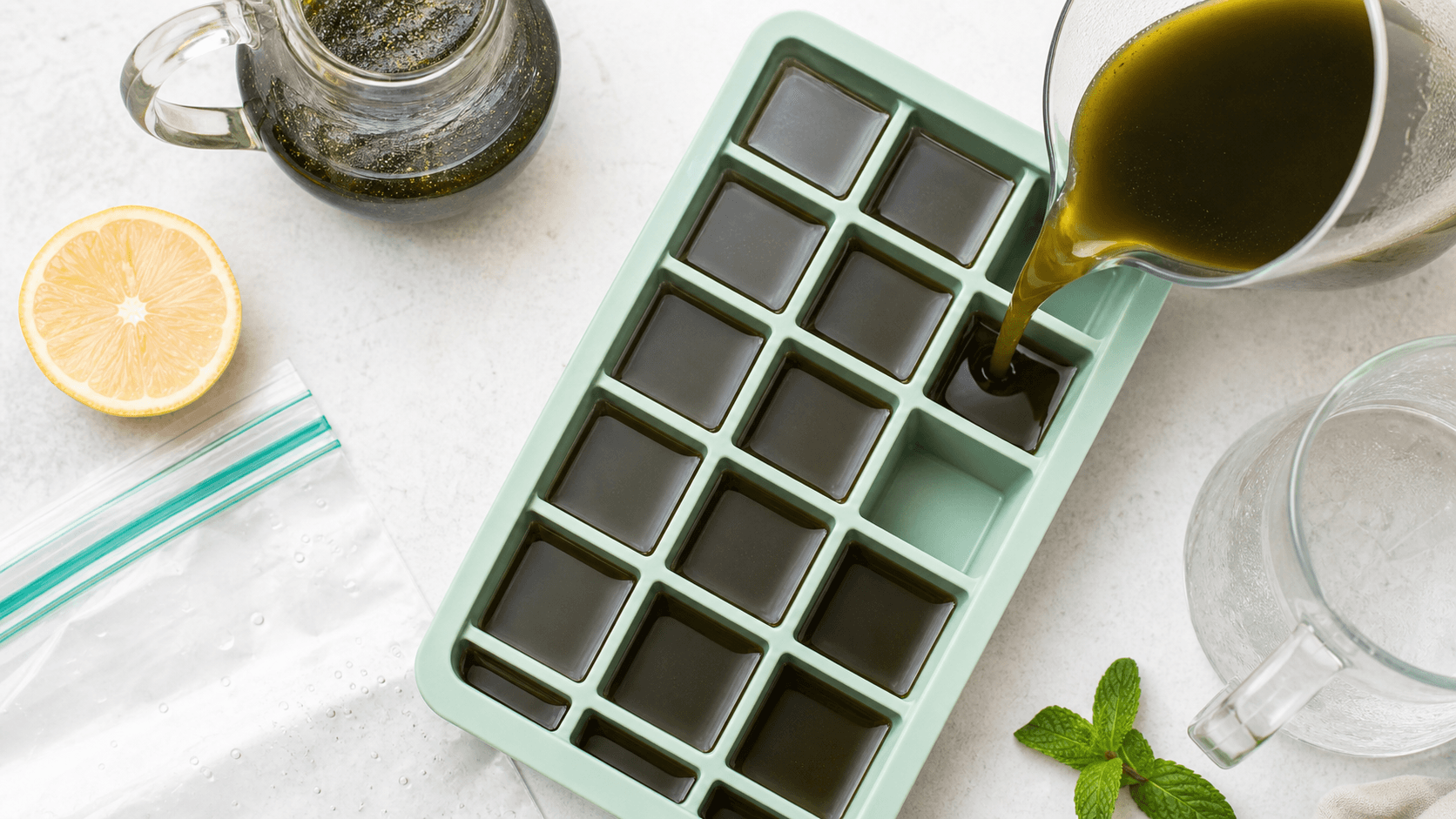
Yerba mate ice cubes are a home-prep version of the same idea Yerba Melt is validating: make the mate first, freeze it in portions, then use those cubes when you want a fast cold drink.
This is not a claim that frozen mate is nutritionally different from brewed mate. It is a workflow trick. The value is speed, less plain-ice dilution, and a repeatable prep routine.
Basic method
| Step | What to do | Practical note |
|---|---|---|
| Brew | Make yerba mate using your preferred method. | Start with a taste you already like. |
| Cool | Let it cool before pouring into a tray. | Avoid putting hot liquid straight into thin plastic. |
| Portion | Fill a clean ice cube tray. | Use the same tray each time if you want consistent cube size. |
| Freeze | Freeze until solid. | Keep the tray covered if possible. |
| Store | Move cubes to a sealed container or freezer bag. | Label the date and flavor if you make batches. |
FDA and FoodSafety.gov guidance both frame 0 F (-18 C) freezer storage as a safety baseline, while quality is what changes over time. For DIY beverage cubes, quality questions are usually taste, freezer odor, and ice texture.
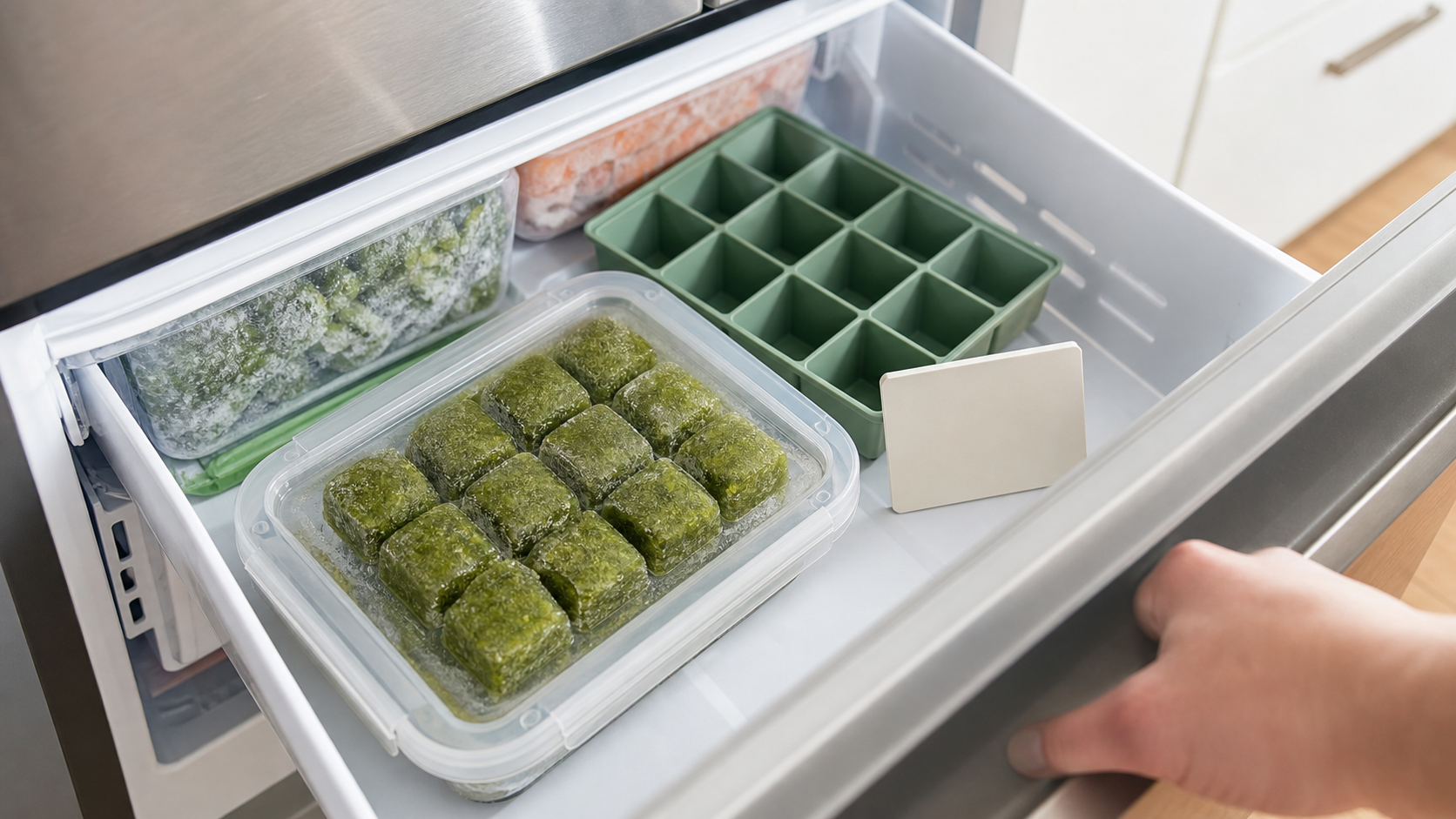
How to use the cubes
Drop a few cubes into cold water, sparkling water, lemonade, or milk and let them melt. You can also use them to chill a stronger brewed mate without watering it down with plain ice.
Start simple:
- Cold water: easiest way to learn the base flavor.
- Sparkling water: best for citrus and mint versions.
- Lemonade: useful if the mate tastes too earthy for a first try.
- Milk or oat milk: better for latte-style experiments.
Make the batch easier to trust
The most useful DIY habit is labeling. If you know the date, brewing method, and rough concentration, the cubes are easier to compare later.
| Label field | Why it helps |
|---|---|
| Brew date | Keeps old test batches from disappearing in the freezer. |
| Brew style | Helps compare hot brew, cold brew, and stronger concentrate. |
| Flavor | Useful if you test mint, lemon, berry, or unsweetened batches. |
| Cube count per glass | Helps you repeat the version that tasted best. |
Where DIY stops being convenient
DIY cubes are useful for testing the format, but they still ask you to brew, cool, pour, freeze, store, and clean trays. That is the point where a ready-made product can be more useful.
Cometeer made the frozen-unit behavior familiar in coffee: a prepared frozen unit can become a hot or iced drink when the user adds water or milk. Yerba Melt is testing whether the same kind of convenience makes sense for yerba mate.
What Yerba Melt still needs to prove
The product version needs more than a nice tray. It needs a clear flavor profile, repeatable serving size, freezer-safe packaging, cold-chain logistics, and caffeine labeling based on the final formula.
That is why the waitlist asks about flavor, routine, and preferred pack format. The right first product is the one people will actually keep in their freezer.