Cold yerba mate guide: iced mate, cold brew, and terere
A beginner-friendly guide to cold yerba mate methods, including iced mate, cold brew, terere context, taste, caffeine variability, and where frozen cubes fit.
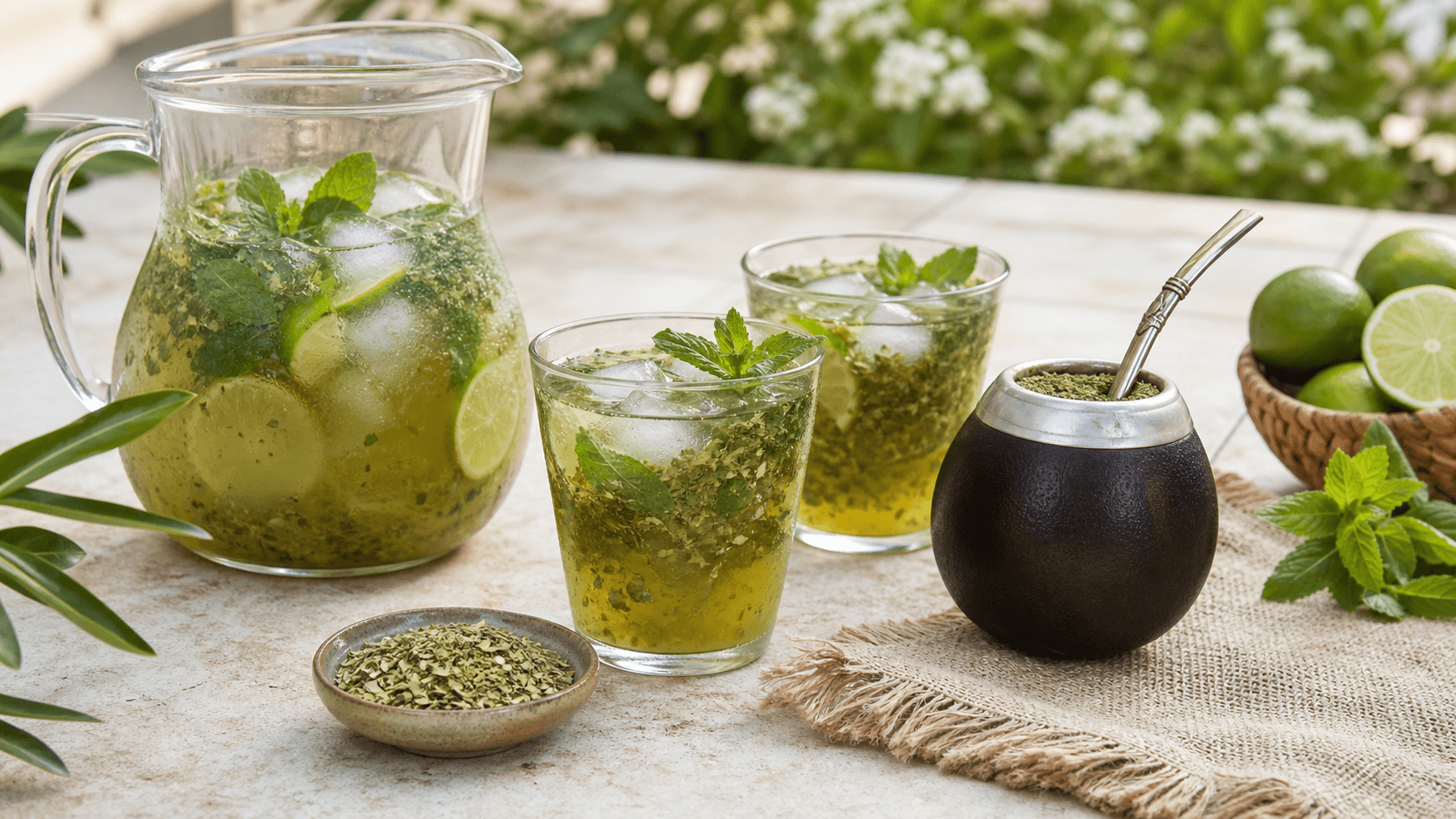
Cold yerba mate is an umbrella phrase. In English, people may use it to mean iced mate, cold brew mate, or terere, the cold yerba mate tradition associated especially with Paraguay. Those are related, but they are not identical.
For Yerba Melt, the important content job is to teach the distinctions before introducing the convenience format. Frozen cubes can make cold mate easier, but they should not be described as replacing terere or traditional mate culture.
Cold methods at a glance
| Method | How it works | Best for |
|---|---|---|
| Iced yerba mate | Brew mate, strain it, chill it, and serve over ice. | People who want a familiar iced-tea workflow. |
| Cold brew yerba mate | Steep mate in cold water over time, usually in a jar or pitcher. | People who prefer batch prep and a softer taste. |
| Terere | Cold water is poured over yerba mate and usually sipped through a bombilla. | Cultural context, shared ritual, and cold refreshment. |
| Frozen cubes | Prepared mate is frozen into portions, then finished later. | Fast home or office freezer routines. |
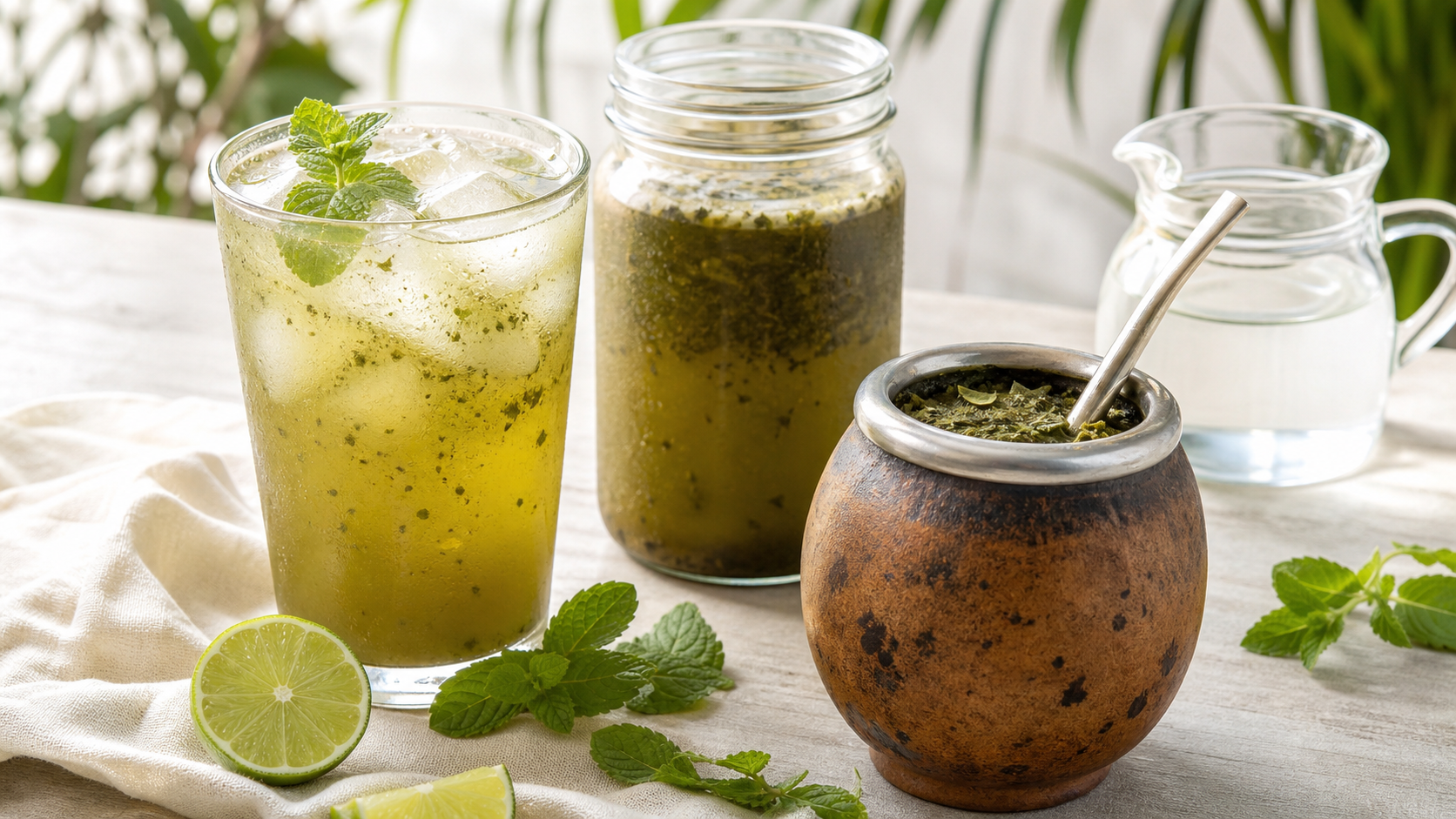
UNESCO recognizes the practices and traditional knowledge of terere in the culture of Poha Nana as part of Paraguay's intangible cultural heritage. That is why the language matters. Yerba Melt should say it offers a convenience format for cold mate, not that it modernizes or replaces terere.
What cold mate tastes like
Cold yerba mate usually reads herbal, grassy, earthy, and sometimes lightly bitter. Citrus, mint, ginger, berry, and sparkling water can change the experience without turning the article into a health claim.
The best beginner expectation is plain: it is not soda, and it is not coffee. It is a caffeinated plant infusion with a distinct taste.
Caffeine still needs clear context
Yerba mate naturally contains caffeine, but the amount in a cup changes with product, leaf amount, water temperature, steep time, serving size, and whether the same leaves are infused more than once.
The FDA cites 400 mg per day as an amount not generally associated with negative effects for most adults, while also noting wide variation in caffeine sensitivity. For Yerba Melt, that means the responsible message is not a broad energy promise. It is clear caffeine-per-serving labeling once the final cube is tested.
Hot, warm, and cold safety language
The IARC press release on coffee, mate, and very hot beverages defines "very hot" as above 65 C and notes that mate can also be consumed warm or cold. A practical consumer article should avoid celebrating scalding-hot preparation. "Warm, not scalding" is clearer than making heat sound like a benefit.
That point does not make cold mate a medical claim. It is a source-backed preparation note.
Where frozen cubes fit
Frozen cubes make the most sense when the reader's problem is practical:
- no time to brew in the morning
- no interest in loose-leaf cleanup
- a preference for iced drinks
- an office freezer or home freezer routine
- interest in flavor tests like mint lime, lemon ginger, berry hibiscus, or unsweetened
The product bridge should be modest: if your priority is cold mate with fewer daily steps, a pre-portioned freezer format may fit your routine.